Key Article Takeaways
-
Rapid prototyping for medical devices is exceptionally challenging due to the condensed turnaround times and ensuring that all facets of production still adhere to various certifications and quality management standards.
-
Fast turnaround medical device prototypes help to prevent complications during final production stages by allowing designers to test and validate their design concepts.
-
ACHB Enterprise Corp. has decades of expertise in high-precision medical device manufacturing and partners with our clients to create effective, rapid prototypes that encourage continued growth and innovative breakthroughs in the medical space.
Fast Development of High-Quality Medical Devices
While urgency is ever-present in the manufacturing world, the medical field is extremely time-sensitive. For healthcare providers, delivering high-quality, timely care to patients sometimes relies on the speedy prototyping and delivery of new medical devices and instruments. Any delay in care or treatment for a patient could mean the difference between life and death. Rapid prototyping of high-quality medical devices is one way designers can ensure timely, life-improving care for patients. This article looks more closely at ACHB’s process for rapid prototyping of medical devices while still validating, documenting, and improving part designs for final production runs.
Request a Quote
Defining Rapid Prototyping of Medical Devices
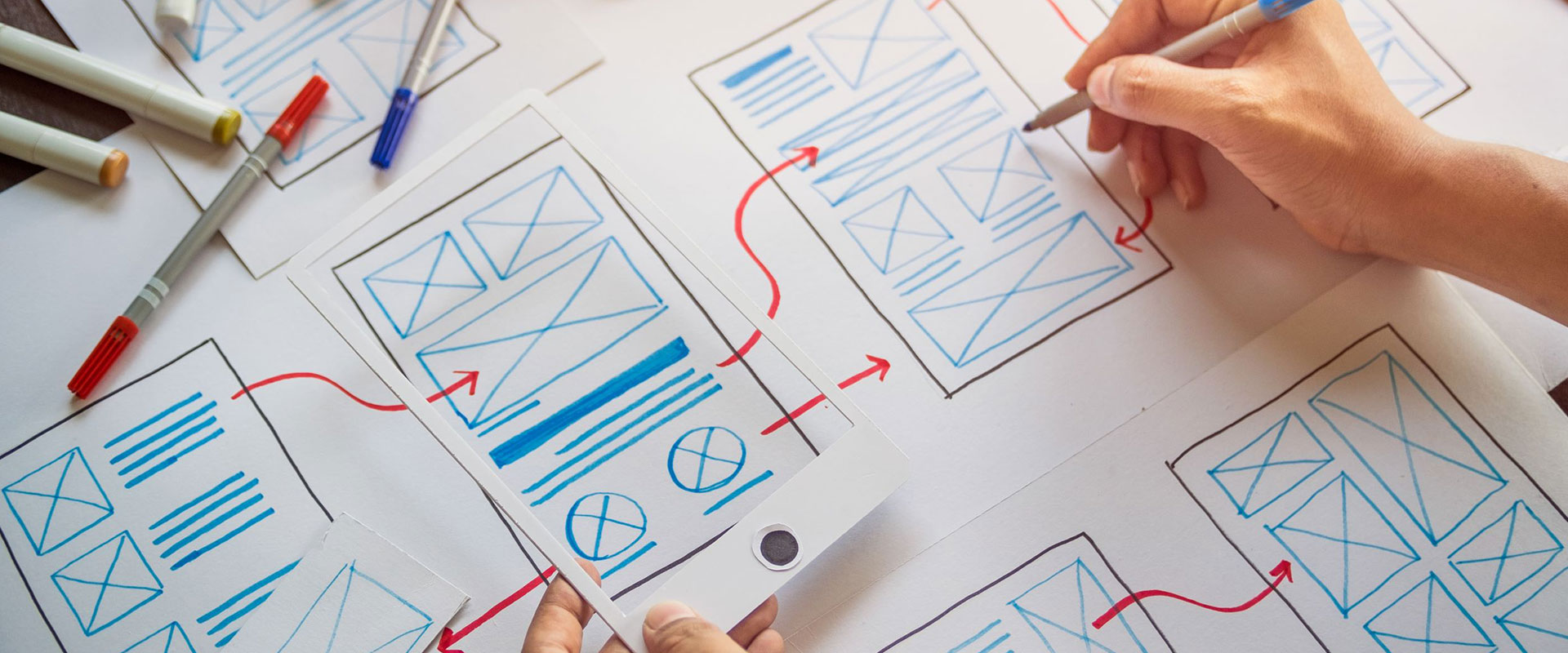
Rapid, or fast turnaround, prototyping is the process of quickly turning a preliminary or experimental product design into a tangible object based on CAD (computer-aided design) data and an appropriate prototyping method. High-fidelity medical device prototypes can be made by traditional manufacturing methods such as CNC machining or injection molding. However, recent advancements made in additive manufacturing have led to an increase in prototypes fabricated using 3D printing methods like stereolithography (SLA) or selective laser sintering (SLS) due to the rapid turnaround times and the ability to work through several design iterations in a vastly reduced timeframe compared to traditional subtractive machining.
The Advantages of Fast Turnaround Medical Device Prototyping
Although rapid prototyping can deliver physical prototypes of medical devices much faster than traditional prototyping services, these parts and components lack the required mechanical and thermal properties seen in the final version. Yet, it still offers significant benefits to the design and OEMs. Below are three advantages of rapid prototyping services at ACHB that can help designers reduce the time to market for their new medical product:
Step One: Testing & Validating Medical Device Concepts
Too often, designers develop innovative and exciting products, traverse deep into the design process, and may even start production, only to learn that their design does not work as intended. As an example, a designer develops a custom-fit prosthetic leg for a customer, only to learn that the design is uncomfortable for the end-user and impractical for extended use. Not only does this waste money, but it also uses up valuable time that could have been spent optimizing medical manufacturing processes, and it may delay the introduction of the product into the marketplace. Rapid prototyping helps to prevent this from happening by allowing designers to test and validate their design concepts.
Nowadays, designers have access to numerous rapid prototyping methods, from traditional methods like plastic injection molding to newer technologies like SLA that can be used to verify computer models and evaluate performance metrics that can’t be modeled by software. These methods allow designers to rapidly explore and realize design concepts. Whatever prototyping method the designer chooses will deliver a proof of concept in the form of a physical product that can be held and evaluated.
Having a tangible prototype in hand allows the designer to identify undesirable or useless features in the design and to focus on more critical aspects of the design that must be refined. By being able to test and validate design concepts throughout the medical design process quickly, designers can design iteratively and methodically to ensure their medical designs work as intended. This is one way that rapid prototyping helps designers reduce their time to market.
Step Two: Evaluate Manufacturing Processes
Another benefit of rapid prototyping, depending on the material and processes used, is the ability to test and evaluate true manufacturing workflows before mass production begins. Plastic prototypes closely represent plastic end products, and metal prototypes closely represent metal end products. For this reason, designers should prototype with processes that mirror the final production method whenever possible.
Even if the prototyping method differs from full-scale manufacturing, teams can still use prototypes to assess appearance, basic functionality, and overall design intent. This approach helps designers:
-
Understand the production processes required for each component
-
Improve cost estimates for future tooling and full-scale manufacturing
-
Identify unnecessary steps and reduce development costs across multiple iterations
By observing how prototypes are produced and inspecting the parts afterward, designers can validate key quality assurance points tied to customer requirements. These validation steps reveal critical final-product needs such as tight-hole tolerances, surface texture specifications, and potential defect risks.
Prototyping also provides visibility into tooling behavior. Designers and manufacturers can quickly identify errors, adjust machining strategies, and refine the design early in the cycle. Addressing these issues as soon as they appear makes it easier to revise the prototype and move the project forward while significantly reducing time to market.
Step Three: Customer Feedback Loop
Imagine that a designer has developed a new, state-of-the-art medical product with all the necessary production tooling in-house. This new, innovative product has already been introduced to the market. However, a quality claim states that the part does not fit in the assembly it was intended for. Even without prototyping, a design error like this should have been caught. However, if this client had utilized the rapid medical device prototyping services at ACHB before mass production, this could have been avoided altogether.
Showcasing prototypes can be a sound marketing technique, providing tangible evidence of successful medical machining projects to an existing customer base and helping to attract new customers. By showing prototypes to customers before mass production, the customer’s voice is made part of the design process. Designers should consider customer concerns and desires and implement them to ensure the best possible design for a medical device. With a prototype in hand, it also becomes much easier to develop patents with an attorney.
FAQs About ACHB's Rapid Medical Prototyping Services
What makes rapid prototyping for medical devices different from standard prototyping services or processes?
Rapid prototyping for medical devices requires accelerated or expedited timelines without risking any compliance complications. ACHB Enterprise Corp is structured to meet both of these requirements as all processes are built around ISO 13485-aligned workflows that stress fast iteration and rigorous documentation.
Why should I choose ACHB for my medical device prototyping needs?
ACHB specializes in high-precision medical machining services and has decades of experience optimizing projects for tight-tolerance validation and fast turnaround prototype builds.
Can ACHB help validate whether my medical device design is manufacturable at production scale?
Yes. ACHB leverages these prototype builds to help analyze part geometries, wall thickness, tooling paths, various surface requirements, and potential fits within larger assemblies. This early-stage manufacturing assessment helps avoid downline failures and improves part designs for full production runs.
What prototyping methods does ACHB use for medical devices?
ACHB incorporates CNC machining, low-volume injection molding, and advanced additive or 3D printing methods to rapid prototypes that mimic final production materials and expected performance.
Quotes for Rapid Medical Device Prototyping
Rapid prototyping makes the process of designing medical products much easier. It not only helps to ensure that the best possible design is the one released to the market, but also helps to establish manufacturing processes and validate quality assurance processes, reduce development costs, and expand market presence. With the advancements that have been made in rapid prototyping methods like SLA or SLS, companies can drastically reduce the time to market for medical devices on medical device prototyping.
Contact an ACHB representative today to discuss your needs for rapid medical device prototyping services from an ISO 13485-certified manufacturer.
Request A Quote